Coated concrete as a finished interior floor
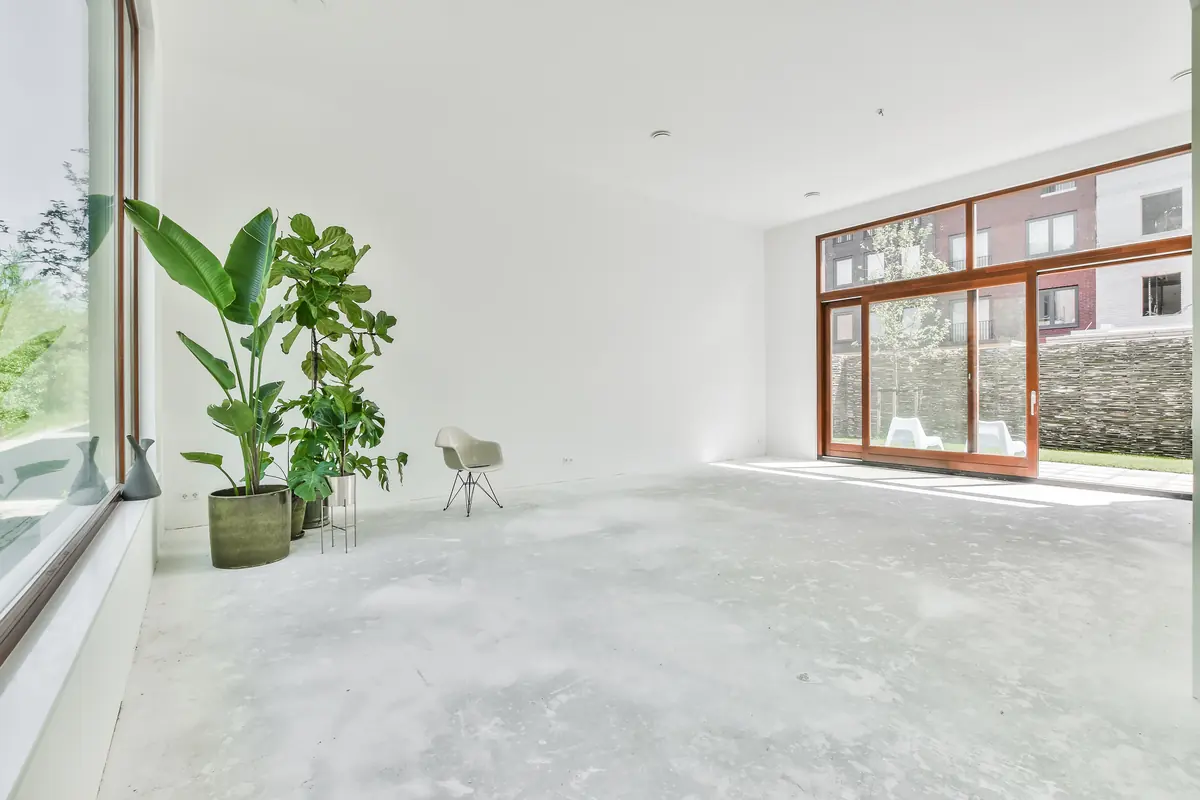
Plenty of Kingman homes have rooms where carpet, laminate or tile never quite made sense. The laundry room that floods once a year when a hose lets go. The mudroom where boots come straight in from the yard. The back bedroom someone converted into a dog room, or the garage that became a casita for visiting family. In each of those spaces the concrete slab is already there, and a well-built coating turns it into the finished floor.
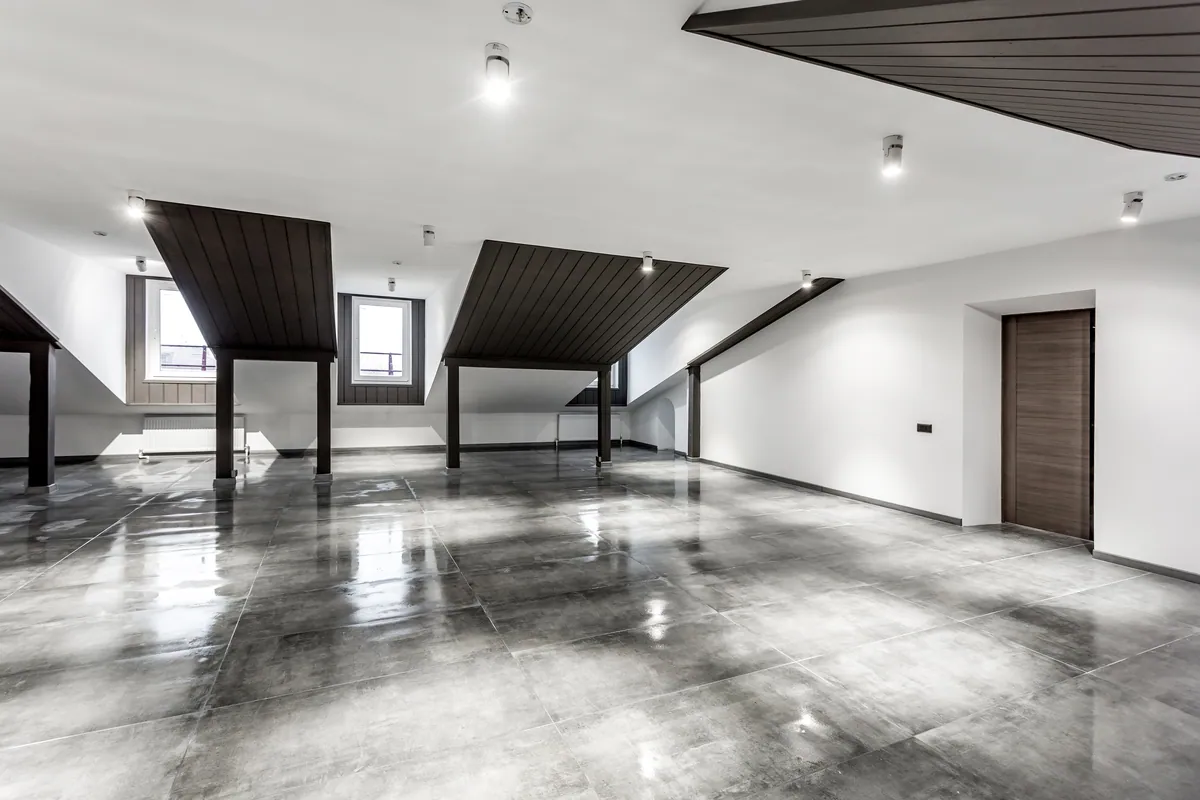
An interior epoxy floor is a single continuous surface. There are no grout lines to stain, no seams for water to slip under, and no fibers to hold onto dust and pet hair. It handles spills, muddy paws and dropped tools far better than most finished flooring, and it can be refreshed with a new topcoat years down the road instead of torn out.
Interior work is different from a garage, though, and we treat it that way. The space is usually smaller and closer to living areas, so we lean on low-odor and water-based products where they make sense, seal off doorways, and run dust collection on every grinder. We also pay closer attention to the transitions — where the coated floor meets tile, wood or a threshold — because those details are what make a room look finished.
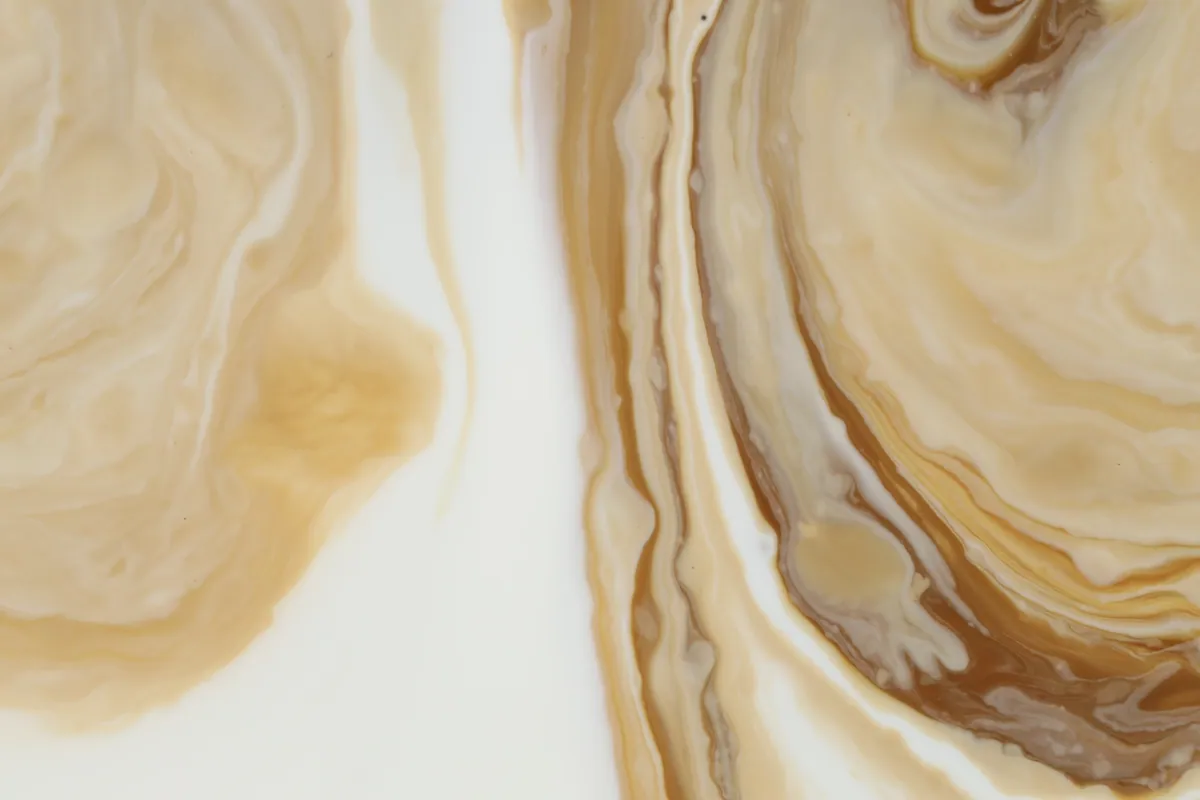
Design options run wider than most people expect. A solid satin color looks clean and contemporary. A fine flake blend adds texture and hides everyday crumbs. Metallic epoxy can look like poured stone or burnished metal, and it is a striking choice for an open living area, an office or a home bar. We bring samples so you can see each option in your own lighting before deciding.
Why homeowners choose coated interior floors
Interior coatings make the most sense in rooms where water, dirt and heavy use are part of daily life.
Nothing for water to get under
A seamless floor with coated cove edges keeps leaks from the washer or water heater on the surface, where you can mop them up, rather than letting them seep under flooring.
Pet-friendly and easy to sanitize
Accidents, food bowls and muddy paws wipe up without leaving odor in grout or carpet pad. Many owners add a satin finish to keep it from looking too glossy.
Allergy-conscious
Without carpet fibers or gaps between planks, there is far less for dust and dander to settle into. Desert dust gets dry-mopped up in a minute.
Comfortable in summer
Concrete stays cooler than carpet in hot months. Paired with area rugs, a coated floor can make a west-facing room feel noticeably more comfortable.
Long service life
Wear happens in the topcoat. When a high-traffic area finally dulls years from now, we can lightly abrade and recoat rather than replace the whole floor.
Rooms where interior coatings shine
- Laundry and utility rooms with washers, sinks and water heaters
- Mudrooms and back entries from the yard or the garage
- Casitas, guest suites and converted garages
- Home offices, studios and craft rooms that see rolling chairs and spills
- Basements and lower-level rooms on hillside lots
- Dog rooms, grooming areas and kennels
Interior finish options
The look of an interior floor comes down to color, texture and sheen. These are the directions people choose most.
Solid color, satin sheen
Warm grays, soft taupes and sand tones work well in Kingman homes. Satin hides scuffs and footprints better than high gloss and feels less like a garage.
Micro-flake blends
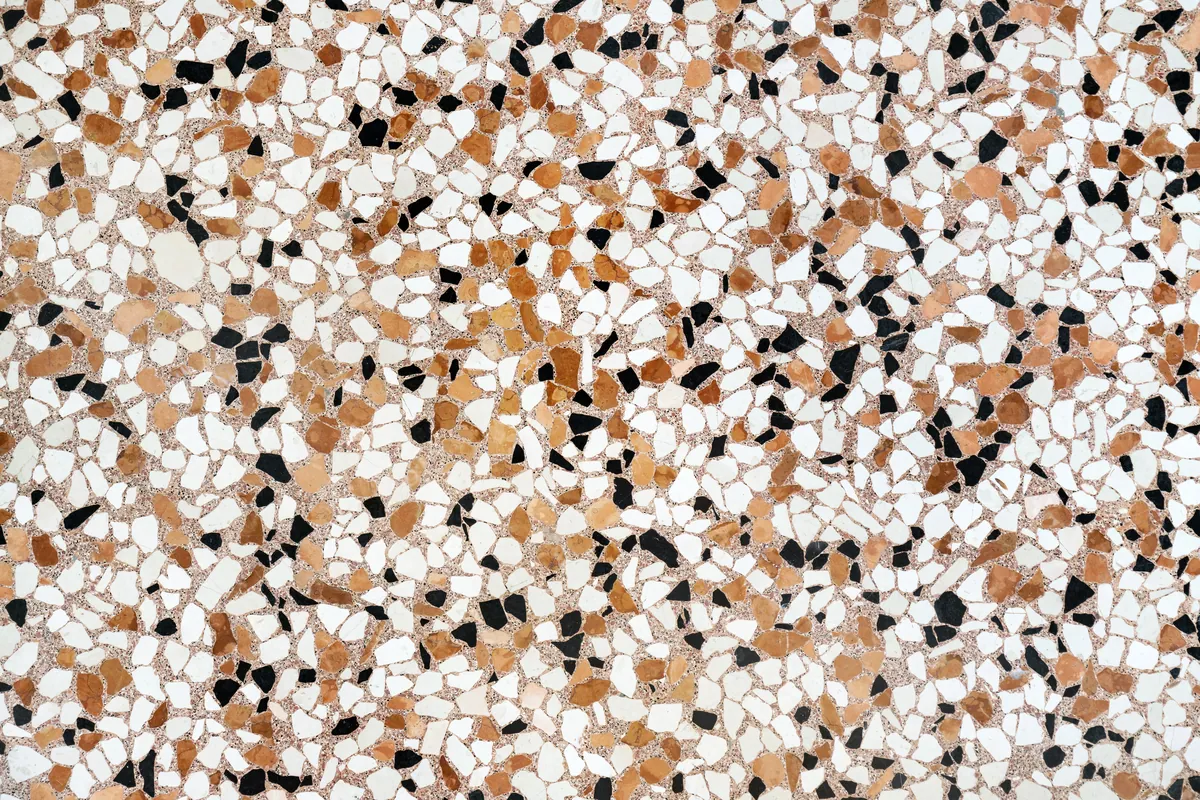
Smaller flake than a garage system, broadcast lightly for a subtle terrazzo-like effect. Good for mudrooms and laundry rooms where some texture helps.
Metallic epoxy
Pearlescent pigments worked by hand for depth and movement. Popular in living areas, home bars and offices where the floor is meant to be a feature.
Quartz or sand texture
A fine aggregate in the topcoat gives extra traction for entries, ramps and spaces where water is likely. It can be built into almost any system.
Cove base edges
Running the coating a few inches up the wall creates a sealed, easy-clean edge. Useful in laundry rooms and pet spaces; optional elsewhere.
How an interior coating project runs
Most single rooms take two to three days from prep to final coat, with light use allowed soon after.
- 1
Remove existing flooring
Carpet, vinyl or tile has to come up first. We can do this as part of the job or work after your demolition. Old adhesive is removed by grinding.
- 2
Protect the house
We tape and plastic doorways, cover vents, and keep negative-air dust collection running so the rest of the home stays clean.
- 3
Grind and repair
The slab is ground smooth and flat. Cracks and low spots are filled, and any patched areas are feathered so they do not show through a solid or metallic finish.
- 4
Primer and body coats
A primer locks into the slab, followed by the color or decorative layer. Metallic floors get their pattern worked during this coat.
- 5
Topcoat and edges
A clear or tinted topcoat sets the final sheen. Cove edges and thresholds are finished by hand for clean lines.
- 6
Ventilate and return
We ventilate during cure and let you know when you can walk, place furniture and add rugs. Felt pads on furniture legs help protect the topcoat.
Why interior floors need experienced hands
In a garage, a small flaw disappears under flake and tire marks. Inside a home, especially with a solid color or metallic finish, every roller line and patched crack can show under window light. Getting an interior floor right depends on how flat the slab is ground, how well repairs are feathered, and how consistently the coatings are spread.
There are also details that matter only indoors: protecting finished walls and cabinets, managing odor, and planning transitions to other flooring so a door still swings freely. These are easy to overlook on a first project and hard to fix after the fact.
Converted garages: details that matter
Turning a garage into living space raises a few flooring questions that other rooms do not. Garage slabs are usually poured with a slope toward the door so water drains out, and they sit lower than the house floor. Some owners are happy to keep the slope under a coating; others prefer a self-leveling underlayment first so furniture sits flat. We can talk through both, along with how the coating meets the new wall where the garage door used to be.
Planning around daily life
Interior projects touch the rhythm of the household, so we plan them with you. The washer and dryer have to be disconnected and moved. Pets need somewhere to be for a couple of days. If the room is the main path between the garage and the kitchen, we work out an alternate route. None of this is complicated, but sorting it out ahead of time makes the project far less disruptive, and it lets us keep the schedule tight.
Interior coatings in Kingman homes
Many homes in the area are built slab-on-grade, and older ones may not have a vapor barrier under the concrete. That can push moisture up into a coating over time. We test before quoting and use a moisture-tolerant primer when the readings call for it.
Converted garages are common here, especially on properties with a separate shop or RV garage taking over parking duty. Converted garage floors usually slope toward the old door and may have oil stains deep in the slab. We address the stains during prep and can discuss leveling if the slope bothers you in a living space.
Finally, think about sunlight. A room with large west windows will see some color shift in standard epoxy over the years. A UV-stable topcoat helps, and so does choosing a tone that ages gracefully.

Residential floor questions
Is there a strong smell during installation?
Some products have more odor than others. For interior work we favor low-odor and water-based systems where they meet the performance needed, and we ventilate during cure. Most households stay home during the project.
Will a coated floor feel cold?
Concrete feels cooler underfoot than carpet, which most people appreciate in summer. In winter, area rugs and slippers solve it. Coatings do not change the temperature of the slab itself.
Can you coat over tile?
It is possible in some cases, but we usually recommend removing tile so the coating bonds to the slab directly. Coating over tile ties the floor’s lifespan to the tile’s bond.
How do I clean an interior epoxy floor?
Dry mop for dust, then damp mop with a pH-neutral cleaner. Avoid oil soaps and vinegar-heavy solutions, which can dull the finish over time.
Can I put an interior coating in a rental property?
Yes. Landlords like coated floors in laundry rooms and casitas because they survive tenant turnover and clean up quickly between occupants.