What a decorative flake floor actually is
A flake floor — sometimes called a chip or fleck floor — is a layered coating system with decorative vinyl flakes trapped between a base coat and a clear topcoat. The base bonds to the concrete. While it is still wet, flakes are thrown across the surface by hand. Once the base cures, the excess is scraped and vacuumed away, and a clear topcoat seals in everything that remains.
The flakes do far more than decorate. They add thickness to the system, break up the surface so dust and small debris are hard to see, and leave a fine texture that improves traction. A full-broadcast flake floor is one of the most forgiving surfaces you can put in a busy garage or shop. It does not show every footprint the way a glossy solid color does.
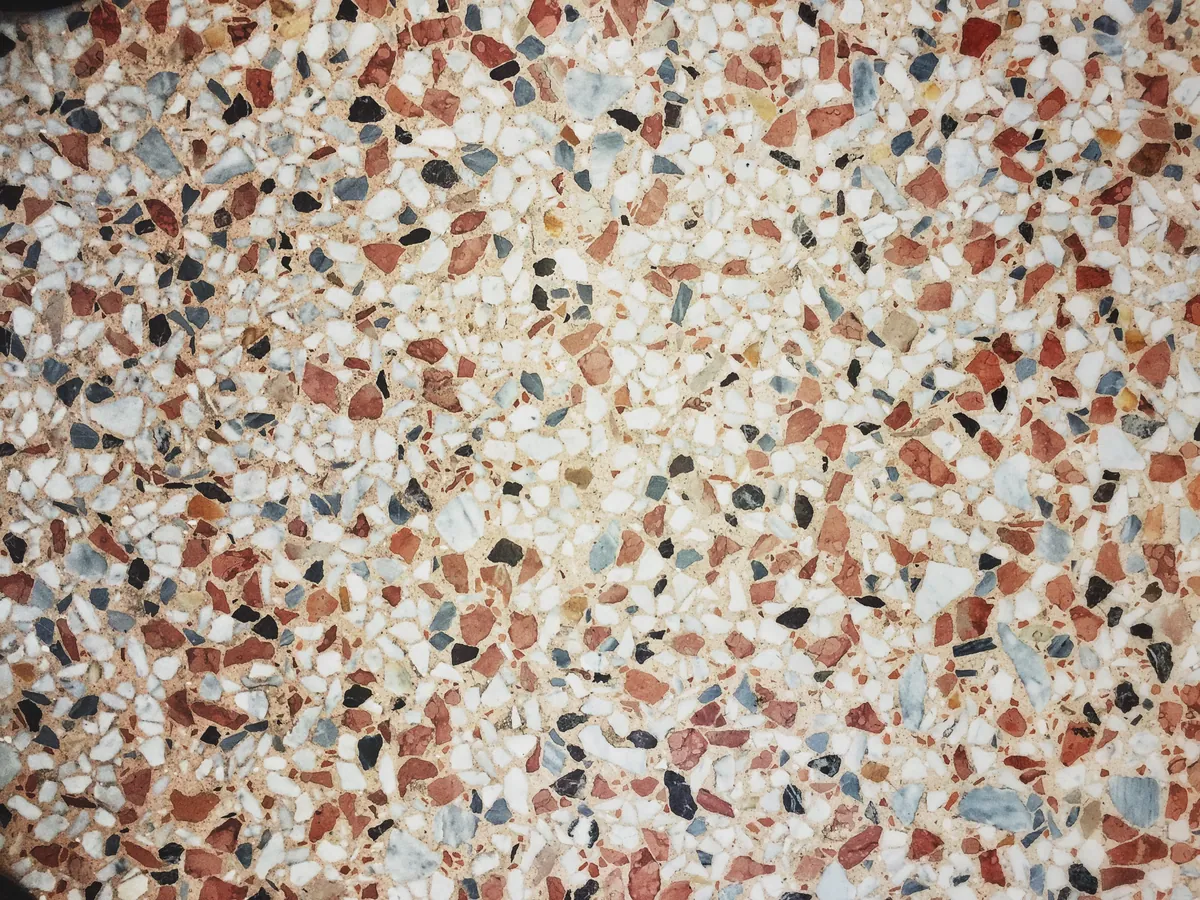
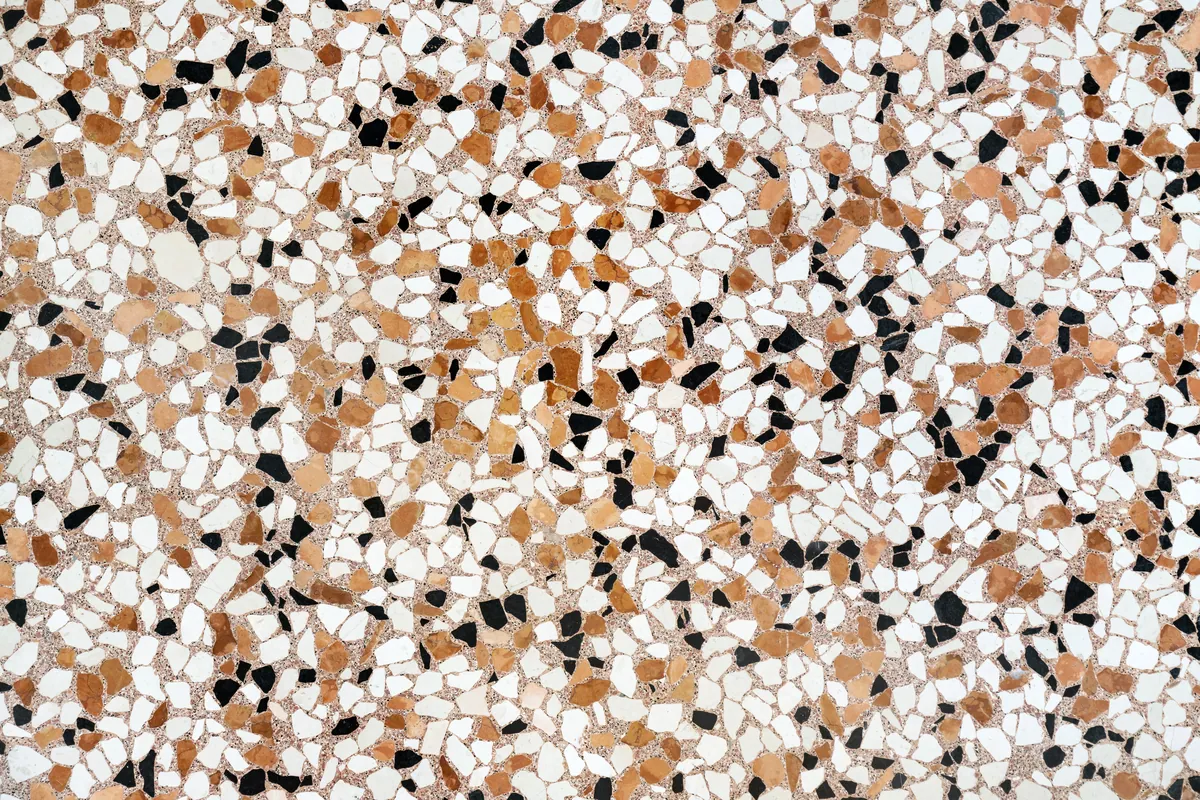
Color is where flake floors get interesting. Blends are mixed from several chip colors in different proportions, so you can go quiet and neutral or fairly bold. Around Kingman, people often gravitate toward blends that echo the landscape: tans, creams and charcoal; muted red and rust; or cool grays that tie into a modern exterior. The base color underneath affects the final look too, especially with partial coverage.
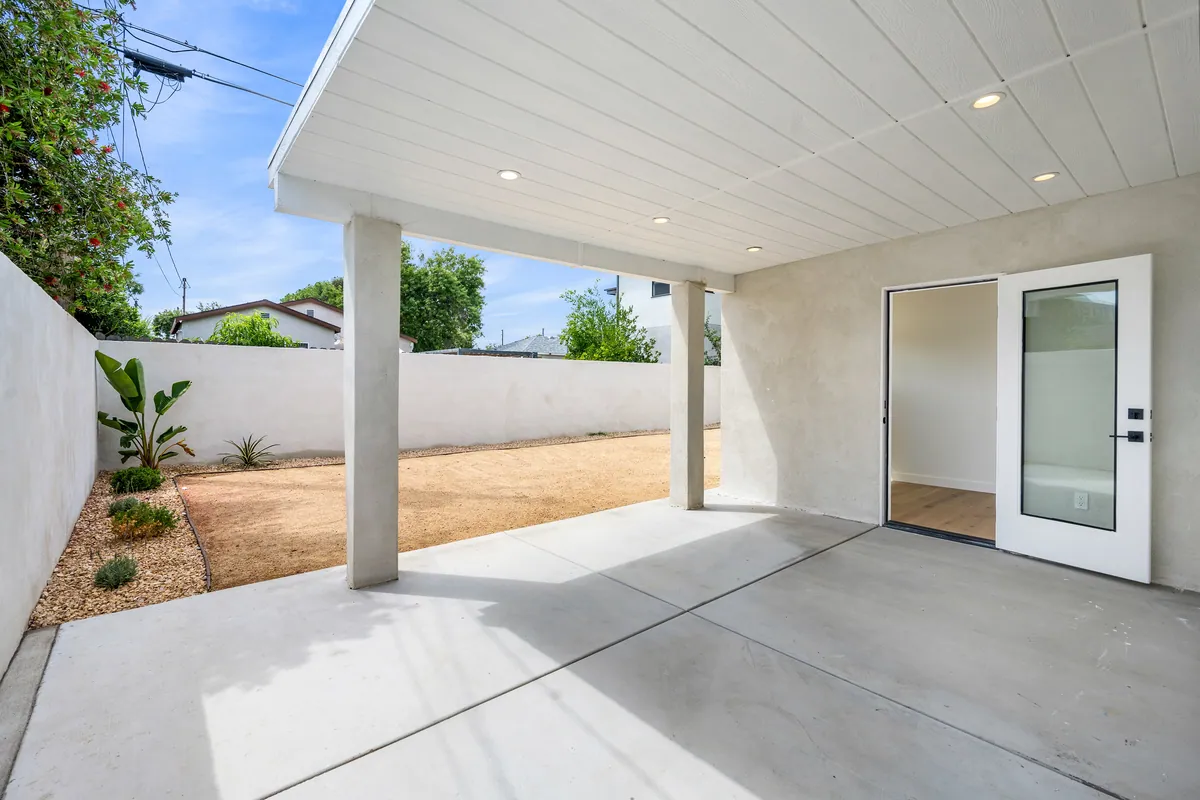
Flake systems work in garages, shops, laundry rooms, patios, commercial restrooms and locker areas. Outdoors, we pair them with a UV-stable topcoat and extra texture so the surface stays comfortable and safe when it gets wet.
Why flake is the most popular coating we install
Flake floors balance looks, durability and practicality better than almost any other system.
Hides the everyday mess
Multi-color flake camouflages dust, sand and small scuffs between cleanings — a real advantage in a windy, dusty climate.
Built-in texture
The chips create a subtle grip. With an added aggregate in the topcoat, the floor can be made noticeably more slip-resistant.
Thicker, tougher system
Broadcasting flake to full coverage adds body to the coating, which helps it handle dropped tools, jack stands and furniture legs.
Repairable
If a heavy impact ever chips the surface, a flake floor can be spot-repaired and blended more easily than a solid or metallic finish.
Endless color combinations
Standard blends cover most tastes, and custom blends let you match a home’s exterior, cabinets or a business’s brand colors.
Where flake floors work well
- Two- and three-car garages and detached workshops
- RV garages and boat storage with heavy tire loads
- Laundry rooms, mudrooms and pet areas
- Covered patios and pool-adjacent concrete (with outdoor topcoat)
- Commercial restrooms, break rooms and locker areas
Flake sizes, coverage and color directions
Three choices shape how your flake floor looks: the size of the chips, how densely they cover the base, and the blend itself.
Chip size
Quarter-inch flake is the standard garage look and hides the most. Eighth-inch and micro flakes look finer and more refined, which suits interiors and smaller rooms.
Full broadcast
Flakes cover the base completely. This gives the most texture, the most hide and the most uniform appearance. It is our default recommendation for garages and shops.
Partial broadcast
A lighter scatter lets the base color show through. It feels cleaner and more modern but shows dirt more readily, so it fits low-traffic spaces best.
Desert warm blends
Combinations of tan, cream, brown and black read warm and natural and pair well with stucco and stone. They are forgiving with dust that has a reddish tint.
Cool gray and granite blends
Grays, whites and charcoal look crisp against white garage doors and modern cabinets. They suit contemporary homes and commercial spaces.
Building a full-broadcast flake floor
Here is the order of operations on a typical garage or shop.
- 1
Grind and open the slab
Diamond grinding removes sealers, paint and the weak surface layer. Without this, no flake system will hold.
- 2
Fill cracks and divots
Repairs go in and are ground flat. Small imperfections largely disappear under full flake coverage, but large ones still need attention.
- 3
Roll the tinted base coat
A pigmented base coat goes down in sections. Its color shows through gaps in partial broadcast and adds depth even under full coverage.
- 4
Broadcast flake
We throw flake up and out so it falls evenly, working until the base can hold no more. This is the step that decides how uniform the floor will look.
- 5
Scrape and clean
After cure, a floor scraper knocks down standing chips and the floor is thoroughly vacuumed. This step sets the final texture.
- 6
Seal with the topcoat
A clear polyaspartic or urethane topcoat locks in the flake. Texture additive goes in here if you want more grip.
Where flake floors go wrong
Uneven broadcast is the most common giveaway of an inexperienced installer — patches where the base shows through or streaks where chips piled up. Skipping the scrape step is another; it leaves sharp, raised flakes that catch mops and feel rough underfoot. A thin topcoat can also leave the surface feeling like sandpaper.
On our jobs, the broadcast is done in a planned pattern, the floor is scraped thoroughly, and the topcoat is applied at a thickness that encapsulates the chips while keeping whatever texture you asked for. The difference is easy to feel when you run a hand across the finished floor.
Flake in a shop versus flake in the house
The same basic system adapts surprisingly well to different rooms, but we adjust a few details depending on where it goes. In a working shop or a garage that doubles as a gym, we lean toward quarter-inch chips at full broadcast, a thicker topcoat and a little added aggregate. That combination tolerates dropped weights, rolling toolboxes and gritty boots.
Inside the house, a laundry room or mudroom often looks better with smaller chips and a satin topcoat. The texture is softer, the pattern is quieter, and the floor feels more like a finished interior surface than a garage. Color choice shifts too: interiors tend to borrow from cabinets and countertops rather than from the stucco outside. We bring both kinds of samples so you can compare side by side.
Taking care of a flake floor
One reason people love flake floors is how little they ask in return. A weekly dust mop or a push broom keeps the surface clean. For deeper cleaning, use a bucket of warm water with a small amount of pH-neutral cleaner and a soft deck brush, then squeegee the water out the door. Skip harsh acids and abrasive powders, which can dull the topcoat over time.
Oil and fluid drips should be wiped up rather than left for weeks. They will not soak into the concrete, but a sealed surface still looks best when it is kept clean. If you store a vehicle long-term, a drip pan under the engine is a cheap way to keep that spot spotless.
Choosing flake for a Kingman home
Local dust has a warm, tan cast, and it shows up most on very dark or very light floors. Mid-tone blends with tan or brown in the mix stay looking clean the longest between sweeps. If you are torn between two blends, we recommend picking the one closer to the color of the dirt in your driveway.
For patios and outdoor slabs, the topcoat matters more than the chip. Direct sun is intense here, and only UV-stable topcoats keep flake colors from shifting. We also suggest lighter blends outdoors because darker ones get hot underfoot in summer.

Flake floor questions
Do the flakes come loose over time?
Not when the system is built correctly. The flakes are embedded in the base coat and sealed under the topcoat, so they are locked in from both sides.
Is a flake floor rough to walk on barefoot?
A properly scraped and sealed flake floor has a mild orange-peel texture. It is comfortable barefoot. If you add aggregate for grip, it feels a bit grittier.
Can I see colors before choosing?
Yes. We bring physical sample boards to the estimate. Colors on screens never quite match what you see in your own garage lighting.
Will hot tires leave marks on a flake floor?
Tire marks can happen on any coating, but they show far less on flake, and they clean up with a degreaser on a sealed surface.
Can I mix custom colors to match my house?
Yes. Beyond standard blends, flake can be custom mixed from individual colors. Bring a paint chip from your stucco or trim, or a photo of the exterior, and we will help you build a blend that ties the garage to the rest of the home.
Is full broadcast worth it over partial?
For most garages, yes. Full broadcast adds thickness, hides more dirt, and gives consistent texture across the whole floor. Partial makes sense for interiors or tidy spaces where a cleaner, sparser look is the goal.
How long does a flake floor take?
Most garages are done in one to two days, depending on the system and how much repair work the slab needs.