Why outdoor concrete needs a different approach
Outdoor concrete has a tougher life than any garage floor. It sits in direct sun, takes rain and runoff, collects leaves and dust, and in the higher parts of the county it freezes on winter nights. Patios also see food, grease from the grill, pool water and chlorine. Bare concrete absorbs all of it, which is why so many patios end up blotchy and dull.
An outdoor coating seals the slab and gives it a consistent, easy-to-clean finish. But the coating has to be chosen carefully. Many indoor products — including standard epoxy — are a poor fit outside because they yellow under UV and can become slick when wet. Outdoor systems use UV-stable resins and built-in texture so the surface stays attractive and safe.
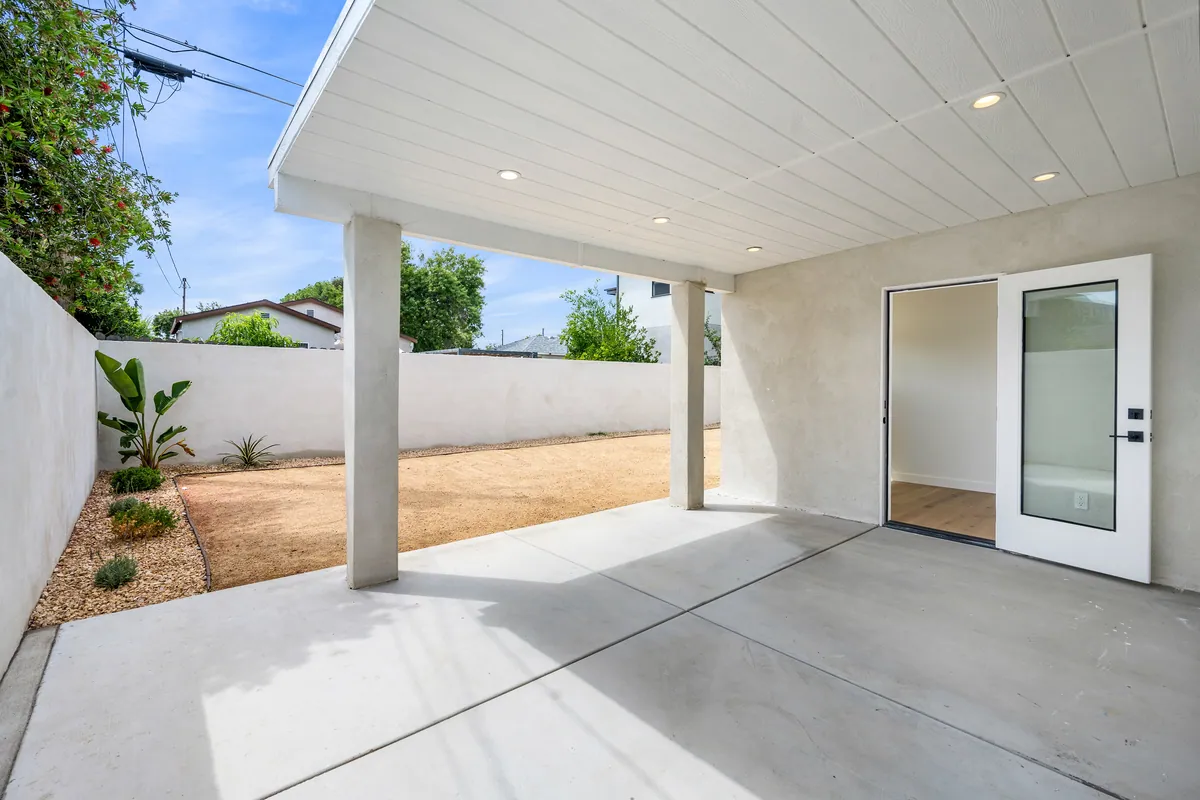
We coat covered patios, uncovered patios, front walks, entry porches, pool surrounds and outdoor kitchens. Covered patios are the easiest place to start; they get some shade and less direct weather, so the color choices are wider. Fully exposed slabs need lighter colors and more texture.
An outdoor coating also changes how a patio feels. A uniform, clean surface makes furniture and planters look better, and many homeowners finally start using a patio they had been ignoring.
What an outdoor coating improves
A properly built patio coating delivers practical and visual benefits.
Slip resistance when wet
Texture is built into the topcoat so the surface grips even when monsoon rain or pool splash puddles on it.
UV-stable color
Aliphatic topcoats resist fading and yellowing in direct sun, so the patio does not look washed out after a couple of summers.
Stain resistance
Grill grease, food, wine and leaf tannins stay on the surface where they can be cleaned instead of soaking into the slab.
Cooler options
Light colors and reflective blends absorb less heat, which makes a real difference on an exposed slab in July.
Covers old stains and patches
A coating unifies mismatched repairs and old discoloration into one consistent surface.
Outdoor surfaces we coat
- Covered and open patios
- Front porches, entries and walkways
- Pool decks and spa surrounds
- Outdoor kitchens and grilling areas
- Carports, RV pads and side yards
Outdoor finish options
Outdoor systems are designed around comfort, traction and UV resistance.
Textured flake
Decorative flake sealed with a textured UV-stable topcoat. Hides dust well, and lighter blends stay cooler under foot.
Solid color with texture
A uniform color that coordinates with stucco and trim, with aggregate for grip. Clean and modern.
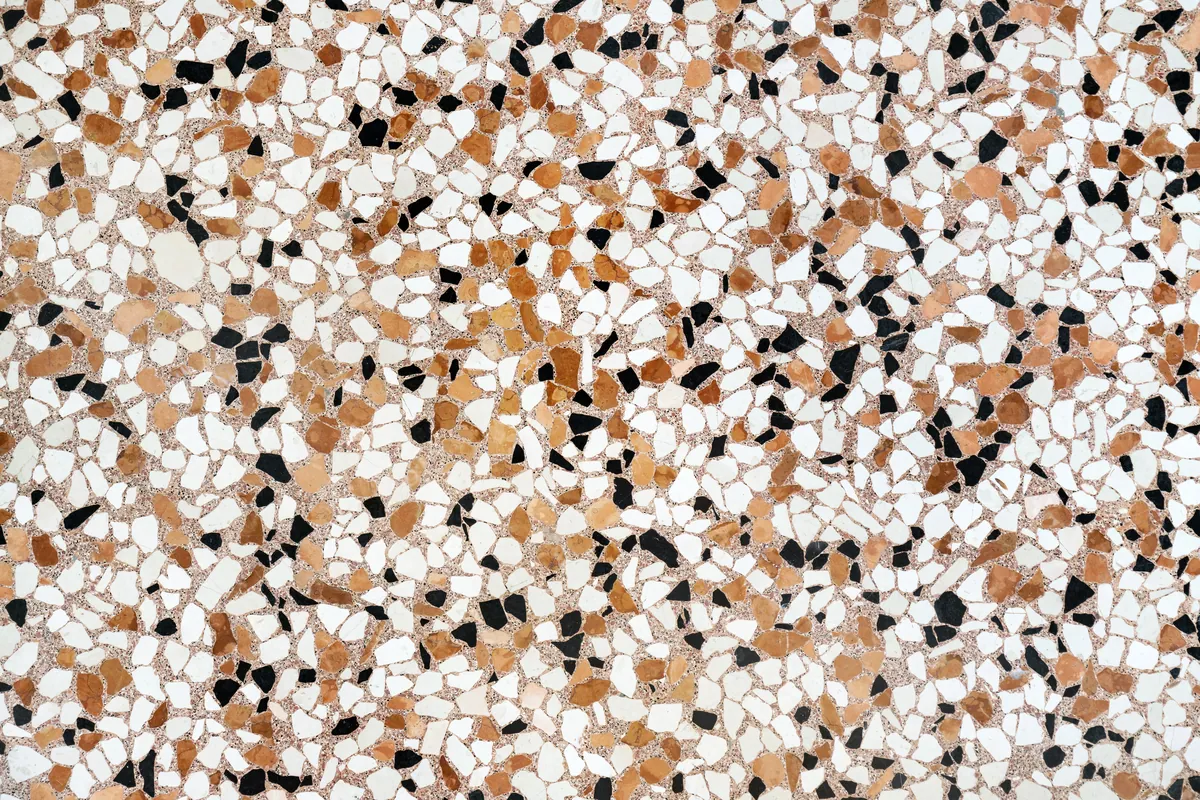
Stone-look blends
Multi-color flake designed to resemble granite or natural stone, a good fit near pools and desert landscaping.
Clear penetrating sealer
For decorative or stamped concrete you want to keep visible, a clear sealer protects against stains while preserving the existing look.
How we coat outdoor concrete
Outdoor projects are planned around weather. We watch the forecast and schedule for dry days with workable temperatures.
- 1
Evaluate the slab
We look at drainage, slope, cracks and any existing sealers. Areas that hold water may need attention before coating.
- 2
Grind and clean
The surface is ground to remove sealers and open the pores. Outdoor slabs usually need extra cleaning to remove organic stains.
- 3
Repair and joint work
Cracks are filled and expansion joints are handled so the coating does not crack across them as the slab moves.
- 4
Base and decorative layer
A base coat is applied and flake or pigment added according to the design.
- 5
Textured UV topcoat
A UV-stable topcoat with traction aggregate finishes the surface.
- 6
Cure and furniture return
We advise when you can walk on the patio and when to bring back furniture and grills.
Why outdoor coatings fail — and how we avoid it
Most failed patio coatings we see share a few causes: interior epoxy used outdoors, no texture so the surface is slick, coating over sealers that prevented bonding, and no plan for expansion joints. The coating peels, yellows or cracks along joints within a season or two.
We choose outdoor-rated products, prep thoroughly, build in texture, and respect the joints that let a slab move. These choices cost little extra at installation and prevent most problems.
Pool decks: chemistry, comfort and traction
Pool decks combine every challenge an outdoor slab can face: constant wet feet, chlorine or salt water, direct sun and bare skin. The coating needs a texture aggressive enough to grip wet soles without being uncomfortable to sit or kneel on. We usually use a fine aggregate in a light-colored, UV-stable topcoat, and we test the feel on a sample before committing to the full deck.
Salt-water pools deserve a specific mention. Salt can crystallize in the pores of bare concrete and slowly damage the surface. A sealed, coated deck keeps that salt on top where it can be rinsed away. It is still a good idea to hose off the deck regularly during swim season, especially near the steps and the spot where people towel off. Drains and coping joints are detailed carefully so water moves off the deck rather than sitting at the edges.
Picking a color that works outdoors
Color choice outside is part taste and part physics. Dark surfaces absorb far more solar heat than light ones, and on an uncovered slab in the middle of summer that difference is easy to feel through a pair of sandals. If the patio gets afternoon sun, we steer people toward light tans, warm grays and soft creams that stay more comfortable.
The second consideration is dirt. Wind carries a steady supply of fine, tan dust across every patio in the area. Pure white and very dark charcoal both show it within hours. Mid-tone, multi-color blends hide it best and look tidy between hose-downs. Finally, think about what surrounds the slab. Pulling a color from the stucco, the roof tile or the landscape rock ties the patio into the rest of the property.
Getting the slab ready: drainage and joints
A coating cannot fix a patio that drains toward the house or holds a puddle in the middle after every storm. Before we quote, we look at how water moves across the slab. Minor low spots can sometimes be built up with a patching compound during prep. Larger slope problems are worth fixing with concrete work first, and we will tell you if that is the case.
Expansion and control joints are the other critical detail. Outdoor slabs move more than interior ones because they heat and cool in full sun. If a rigid coating is run straight across a working joint, it will usually crack along that line. We either keep joints open and cleanly detailed, or fill them with a flexible material that allows movement, so the rest of the coating stays intact.
Caring for a coated patio
Routine care is easy. Blow or sweep off dust and leaves, and rinse with a garden hose when needed. For grease near the grill, a mild degreaser and a soft-bristle deck brush work well. Avoid pressure washers set to a narrow, high-pressure tip held close to the surface; a wide fan at a sensible distance is fine.
Furniture with bare metal feet can scuff any coating over time, so plastic or rubber glides help. Planters should sit on saucers or feet so water does not stay trapped under them. With that small amount of attention, a coated patio holds its appearance for years.
Outdoor concrete in Kingman
Summer sun is intense at this elevation, and darker coatings can become uncomfortably hot on uncovered slabs. We usually recommend lighter, reflective colors for any patio that gets afternoon sun.
Monsoon storms bring sudden heavy rain and blowing dust. Textured, sealed surfaces drain better and clean up with a hose. In the Hualapai Mountain area and other higher spots, freeze-thaw cycles are also a factor, so we pay extra attention to joints and drainage.
Patio coating questions
Will the coating get hot in the sun?
Every surface heats in direct sun, but lighter colors stay noticeably cooler. We will recommend colors suited to how much sun your patio gets.
Is it safe around the pool?
Yes, with the right texture. We build in aggregate so the surface grips when wet, and the coating resists pool chemicals.
Can you coat stamped concrete?
We can seal stamped concrete with a clear coat to preserve the pattern, or grind and coat it for a new look, depending on your goal.
How long until I can use the patio?
Light foot traffic is often possible the next day, with furniture back after a couple of days depending on temperature.
What about cracks in my patio?
We fill cracks before coating. Structural movement can cause cracks to return, and we will point out any that look active.