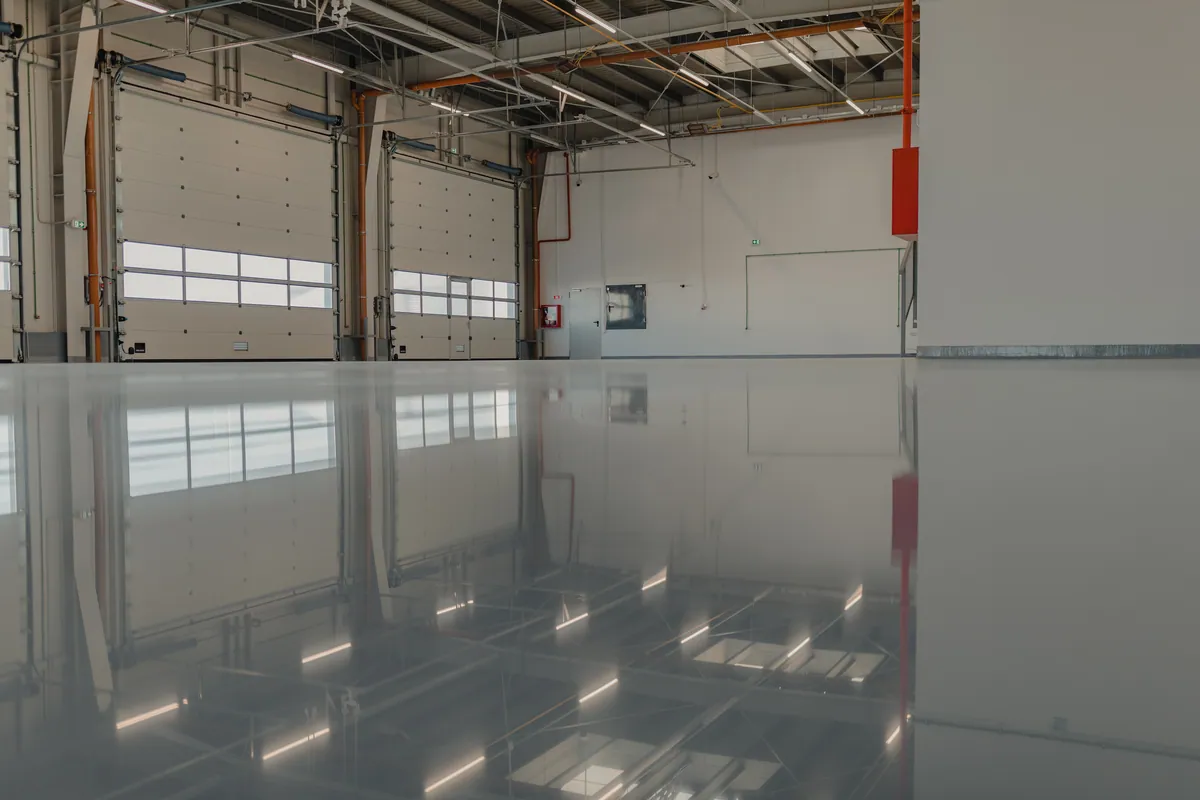
Flooring that supports daily operations
For a business, a floor is equipment. It has to handle the specific chemicals, loads and cleaning routines of the work being done, and it has to look presentable to customers and inspectors. Bare or sealed concrete rarely meets all of those needs for long, and tile or vinyl can fail under heavy carts, harsh cleaners or standing water.
Commercial epoxy systems are engineered for those demands. They form a seamless, dense surface that resists oils, acids, cleaners and abrasion. They can be built thin for a light office or thick and textured for a wash bay. Colors and line striping help organize the space, mark safety zones and support a brand’s look.
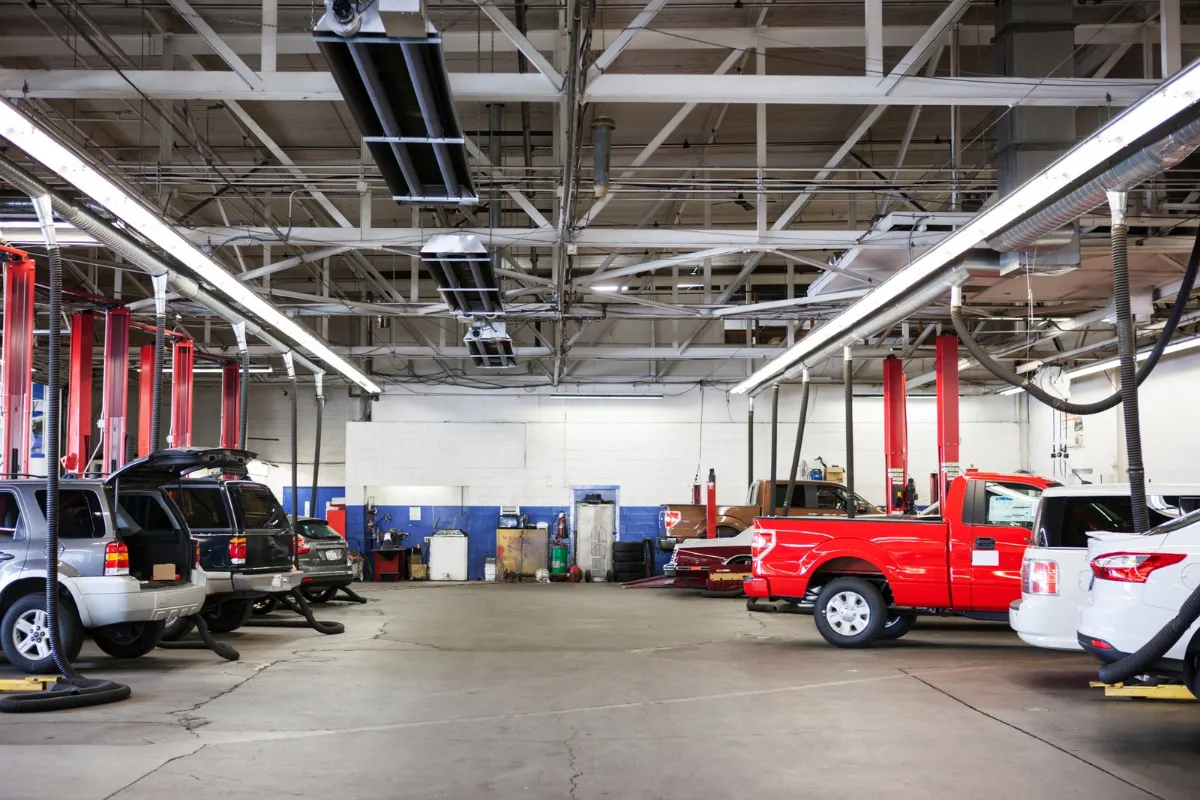
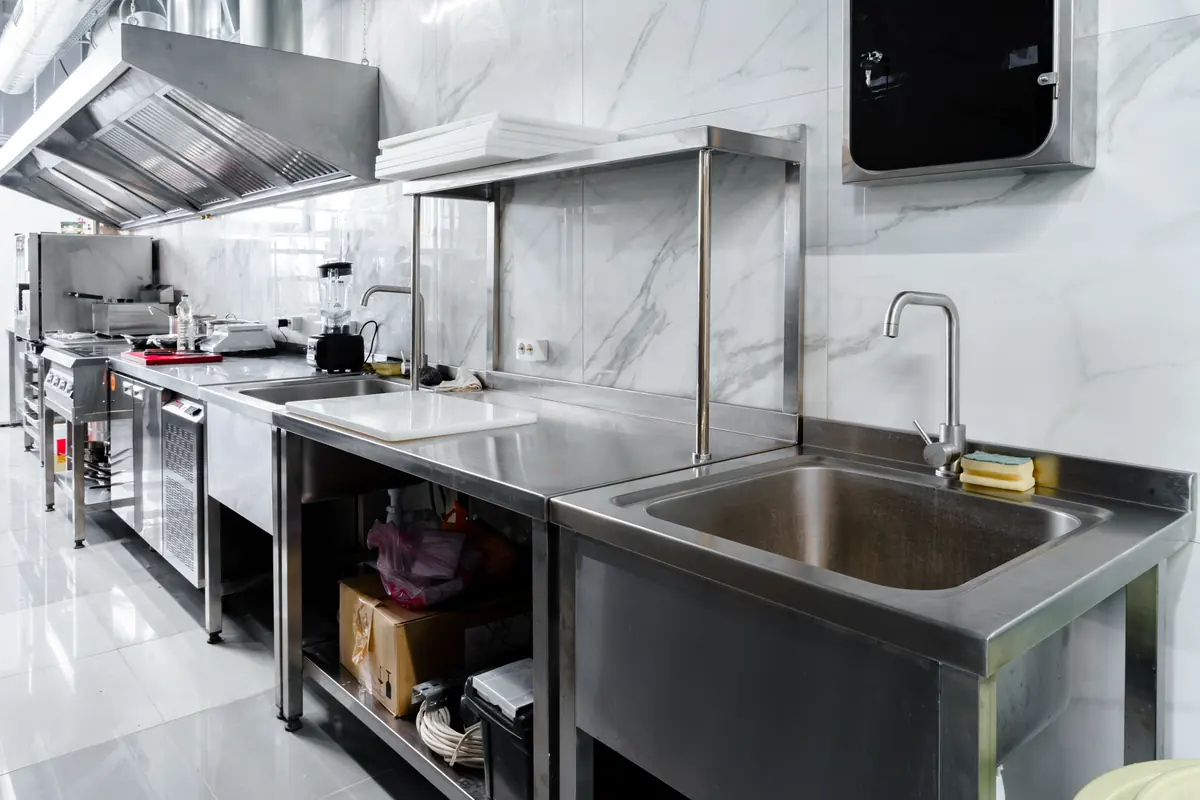
Kingman has a strong mix of automotive and trucking businesses, restaurants, retail, healthcare offices and light industrial operations. Each has different priorities. An auto repair shop needs resistance to brake fluid and hot tires. A restaurant kitchen needs a sanitary, slip-resistant surface that tolerates hot water and degreasers. A retail floor needs to look sharp under bright lighting. We specify the system based on how your space is actually used.
Downtime is usually the biggest concern. We plan commercial installs around your hours, phase larger floors, and use fast-cure products when the schedule demands it.
Advantages for commercial spaces
A coated commercial floor delivers practical benefits that show up in daily operations.
Chemical resistance
Systems can be matched to the chemicals present — automotive fluids, food acids, cleaners or disinfectants.
Sanitary, seamless surface
No grout or seams for bacteria and grime to hide in, and integral cove bases make wall-floor edges easy to clean.
Safety and wayfinding
Textured finishes reduce slips, and painted lines and zones guide traffic and mark hazard areas.
Brighter workspaces
Light, reflective floors improve visibility in bays and back rooms, sometimes reducing the need for extra fixtures.
Professional appearance
A clean, consistent floor makes a strong first impression on customers and clients.
Lower maintenance effort
Floors sweep and scrub quickly, saving labor over the life of the space.
Commercial spaces we coat
- Auto repair shops, tire shops and dealership service bays
- Restaurant kitchens, prep areas and walk-in coolers
- Retail stores, showrooms and tasting rooms
- Medical and dental offices, veterinary clinics
- Gyms, salons, break rooms and restrooms
- Office lobbies and corridors
Commercial system options
We match the system to the conditions rather than offering one product for every space.
High-build epoxy
Thick, dense coatings for shops and back-of-house areas that see impact and abrasion. Often finished with a urethane top.
Urethane cement
For commercial kitchens and areas with thermal shock from hot water washdowns, urethane cement systems resist heat and moisture well.
Flake and quartz broadcast
Decorative and textured systems for restrooms, locker rooms and lobbies where grip and appearance both matter.
Metallic and decorative
Showrooms, salons and boutiques can use metallic epoxy for a distinctive, branded look.
Striping and zones
Durable line striping, walkways, bay markings and logos integrated into the coating.
Commercial installation approach
Every commercial job starts with a plan for minimal disruption.
- 1
Site review
We assess the slab, chemicals in use, cleaning methods, equipment loads and any inspection requirements.
- 2
Scheduling and phasing
We plan nights, weekends or phases so key areas stay usable. Fast-cure products can shorten closures.
- 3
Surface preparation
Grinding or shot blasting, crack and joint repair, and removal of old coatings or contaminants.
- 4
System installation
Primer, body coats, broadcast layers and topcoats are installed to the specified thickness.
- 5
Lines and markings
Striping, zone colors and signage are added once the main coating is ready.
- 6
Return to service
We confirm cure times for foot traffic, equipment and full operations, and provide maintenance guidance for staff.
Why commercial floors need specialized installers
Commercial floors face harsher conditions and tighter schedules than most homes. A coating that works in a garage can fail quickly in a kitchen with hot water washdowns or a shop with constant hydraulic fluid. Choosing the wrong chemistry is an expensive mistake.
We bring experience matching systems to environments and managing projects that must work around active businesses. That planning keeps your doors open and your floor performing.
Coordinating with landlords, tenants and other trades
Many commercial floors around Kingman sit inside leased buildings, and the flooring decision often involves more than one party. A landlord may need to approve the system, a property manager may set the hours we can work, and a general contractor may be juggling electricians, plumbers and fixture installers in the same space. We are used to fitting into that picture.
On tenant-improvement projects, the best results come when the floor is scheduled after the messy trades and before fixtures and shelving go in. We can provide product data sheets for review, confirm cure times so the next trade knows when they can roll lifts across the floor, and protect the finished coating until the space opens. Clear communication up front prevents the classic problem of a brand-new floor getting scratched by a scissor lift the day after it cures.
Matching the system to the business
The question we ask first on any commercial walkthrough is simple: what actually hits this floor? An answer like “people and a mop bucket” leads to a very different system than “floor jacks, brake cleaner and the occasional dropped transmission.” Getting this right up front is what keeps a commercial floor from failing early.
A few examples from the kinds of businesses we see around town help illustrate the range:
- Auto and tire shops — high-build epoxy with a chemical-resistant topcoat, heavier at the lift pads and bay entrances where hot tires and jack stands concentrate wear.
- Restaurants and food prep — urethane cement or a heat-tolerant system with integral cove base, textured for wet conditions and compatible with daily degreasing.
- Retail and showrooms — decorative flake or metallic finishes with a satin or gloss top chosen for how the floor looks under store lighting.
- Clinics, salons and offices — easy-clean, lower-sheen coatings that tolerate disinfectants and rolling chairs and look calm rather than industrial.
- Gyms and fitness studios — tough topcoats with texture near water stations, often combined with rubber flooring in lifting zones.
What drives the cost of a commercial floor
Commercial pricing depends on more than square footage. Slab condition is the biggest variable: removing an old coating, tile adhesive or years of embedded oil can take longer than installing the new system. Moisture problems may call for a specialty primer. Thickness and chemistry matter next — a thin sealer and a quarter-inch urethane cement are very different investments.
Scheduling also plays a part. After-hours and weekend work, phasing a floor into several sections, or using faster-cure products to shorten a closure can all affect the price. We lay out these choices clearly in the proposal, so you can weigh downtime against cost and decide what makes sense for your operation.
Keeping a commercial floor in service
Even the toughest coating lasts longer with a sensible cleaning routine. Daily dust mopping or sweeping removes the grit that dulls a topcoat. A neutral or mildly alkaline cleaner, used at the dilution the manufacturer recommends, handles most soils without leaving residue. Harsh solvent cleaners and abrasive pads are rarely needed and can shorten the life of the finish.
Walk-off mats at entrances catch a surprising amount of the sand that blows in on windy days. In high-traffic businesses, a maintenance recoat of the topcoat every few years — done before wear reaches the colored layer — keeps the floor looking new for a fraction of the cost of starting over.
Commercial flooring in Kingman
Kingman’s location along major freight routes means many commercial floors see heavy vehicles, trucks and trailers. Service bays and shops here take more abuse than average, and we build those systems heavier.
Dust is constant in a high-desert climate. Sealed, easy-clean floors help keep showrooms and offices looking professional, and textured finishes at entrances reduce slips when monsoon rain gets tracked inside.

Commercial flooring questions
Can you work after hours?
Yes. Nights, weekends and phased schedules are common for commercial projects so you can stay open.
Are coated floors suitable for food service?
Seamless coatings with cove bases are commonly used in food service. We choose systems designed for kitchen conditions and cleaning.
How do we maintain the floor?
Regular sweeping and auto-scrubbing or mopping with the right cleaner keep it in good shape. We provide guidance for your staff.
Can you add our logo?
Logos, colors and branded zones can be integrated into many commercial systems.
How long does a commercial floor take?
It depends on size and system. Small spaces can be done over a weekend; larger floors are phased.
Will the installation smell or disturb neighboring tenants?
Some coatings have noticeable odor during application. In shared buildings we choose lower-odor products where possible, ventilate the space, and schedule the strongest-smelling steps for evenings or weekends when neighbors are closed.
Can you coat over our existing VCT or tile?
Usually we remove it. Coating over resilient tile or ceramic ties the new floor to the old adhesive bond, and that is a weak link in a commercial setting. Removal and grinding give a far more reliable result.