What polyaspartic is and why it matters
Polyaspartic is a type of aliphatic polyurea — a two-part coating that cures through a fast chemical reaction rather than slowly hardening over days. It was developed as a durable protective coating for infrastructure and has since become one of the best tools available for garage and floor work.
Two traits make it valuable in Kingman. The first is UV stability. Standard epoxy turns amber when exposed to sunlight, sometimes within a single summer. Polyaspartic stays clear and color-true, so it is the right choice for any floor where daylight comes through an open garage door, a window wall or a patio slider. The second is cure speed. A polyaspartic system can go from bare concrete to finished floor in one day, with foot traffic often allowed that evening or the next morning.
We use polyaspartic in two ways. Most often it is the topcoat over an epoxy or polyurea base, combining the bonding strength of the base with the weather resistance of polyaspartic on top. On some projects, especially garages that need a quick turnaround, we build the entire system — base, flake and top — from polyaspartic and polyurea products.
It is not a cure-all. Polyaspartic sets quickly, which means a short working window and the need for experienced installers, especially in hot weather. It also costs more per gallon than epoxy. For many floors, though, the longer-lasting color and the time saved are well worth it.
Advantages of polyaspartic coatings
Here is what polyaspartic brings to a floor compared with a conventional epoxy-only system.
Resists yellowing
Aliphatic chemistry holds color under UV, so the floor near your garage door looks the same as the back wall years later.
One-day installs
Fast cure lets us grind, coat, broadcast and seal in a single visit. You lose the garage for a day or two instead of most of a week.
Abrasion and scratch resistance
Polyaspartic topcoats are tough and slightly flexible, which helps them resist scuffs from tires, tools and furniture.
Chemical resistance
Gasoline, oil, brake fluid and many household chemicals wipe up without dulling or softening the surface.
Wide temperature tolerance
Polyaspartic can be applied at lower temperatures than most epoxies, which helps on cold winter installs.
Low odor options
Many polyaspartic products are lower in odor than solvent-based coatings, useful in attached garages.
Where we use polyaspartic
- Topcoat on nearly every garage flake system we install
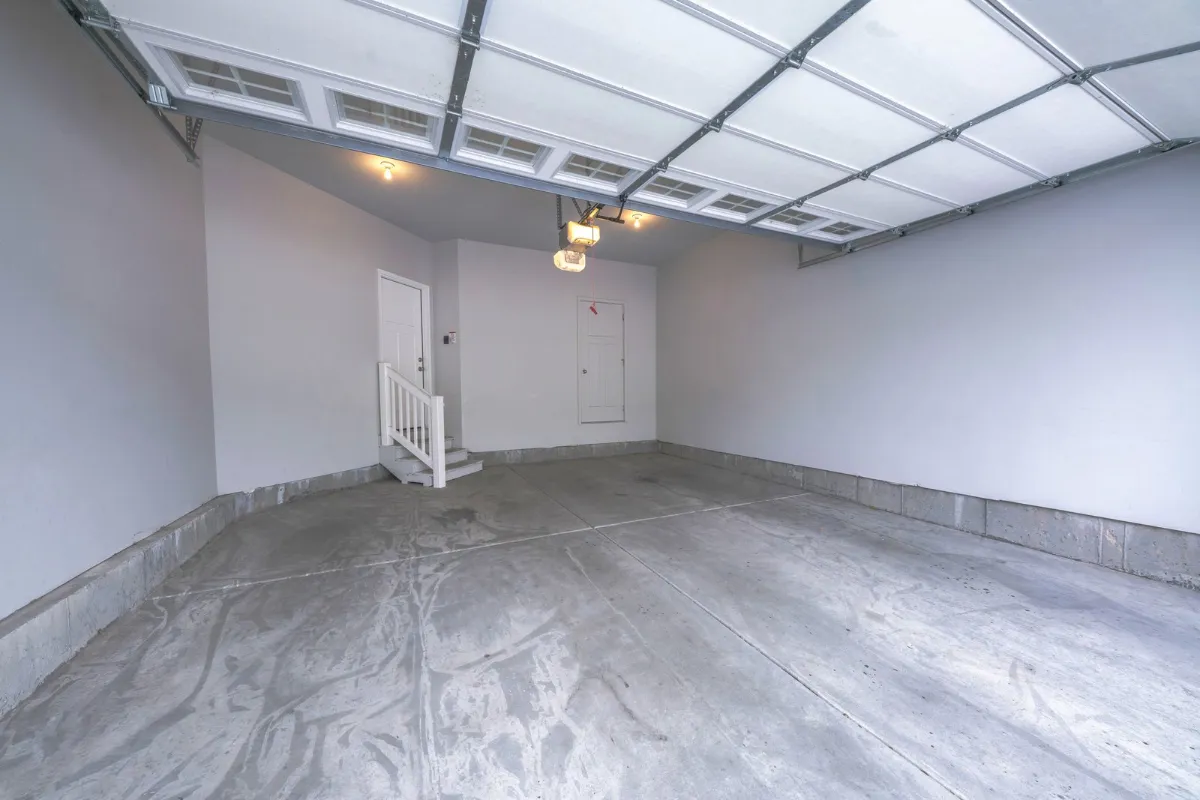
- One-day garage floors for busy households
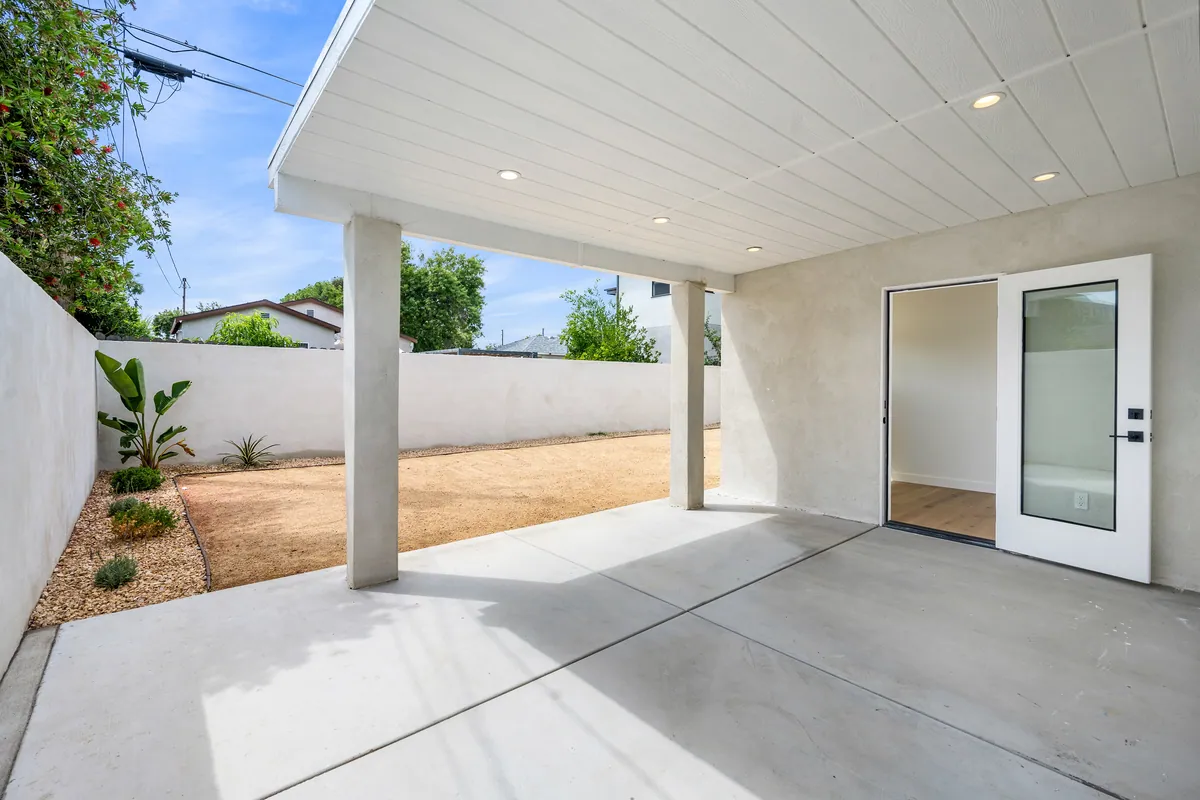
- Sunlit entries, porches and covered patios
- Showrooms and retail floors near large storefront windows
- Recoats of older epoxy floors that have yellowed
Polyaspartic system options
Polyaspartic adapts to a range of looks and performance levels.
Clear gloss topcoat
The standard choice over flake. It gives a deep, wet look and makes colors pop. Easy to clean, though it shows dust more than satin.
Satin topcoat
Lower sheen that hides fine scratches and dust. Popular in garages used as gyms or workspaces where glare is a nuisance.
Pigmented polyaspartic
Solid-color polyaspartic for a uniform, sun-stable floor without flake. Good for shops and commercial spaces with lots of daylight.
Textured topcoat
Fine aggregate mixed into the topcoat adds traction. We recommend it for patios, ramps and entries that get wet.
Full polyaspartic flake system
Base and topcoat both polyaspartic or polyurea for fastest return to service. Ideal for one-day garage projects.
The one-day polyaspartic garage
This is how a typical one-day job runs. Exact timing depends on garage size and weather.
- 1
Early start and prep
We arrive early, set up dust collection and begin diamond grinding. In summer, starting early keeps the slab cooler for application.
- 2
Repairs with fast-set fillers
Cracks and pits are filled with rapid-cure materials that can be ground flush within the hour.
- 3
Base coat and flake
The base coat is applied in manageable sections, with flake broadcast immediately before it sets.
- 4
Scrape and vacuum
Once the base has cured — often in about an hour — excess flake is removed and the floor is cleaned.
- 5
Polyaspartic topcoat
The clear top goes down to seal the flake. Light foot traffic is often fine that evening or the next morning.
- 6
Vehicle return
Most customers can park in about three to five days depending on temperature and product. We confirm exact timing before we leave.
Why polyaspartic needs a skilled crew
The same fast cure that makes polyaspartic convenient makes it tricky. Once mixed, it may give the installer only minutes to spread before it starts to set — less on a hot slab. Roll too slowly and you get lap marks; mix too much and the batch kicks in the bucket. DIY polyaspartic products are usually slowed down so far that they lose much of the benefit.
We control batch size, slab temperature and timing to keep a wet edge, and we choose specific product speeds for the season. That is how you get a smooth, consistent topcoat on a one-day schedule.
Summer and winter installs
Polyaspartic is sensitive to slab temperature and humidity, and in this climate both change a lot through the year. On a summer afternoon, a garage slab can be warm enough to cut the product’s working time to a few minutes. We counter that by starting at first light, keeping materials in a cool place, using slower-reacting product grades and mixing smaller batches.
Winter brings the opposite challenge. Cold slabs slow the reaction, and condensation can form if the surface drops near the dew point. We check slab temperature with a thermometer rather than guessing, choose faster grades when needed, and may bring in temporary heat for an enclosed garage. Planning around the season, rather than forcing one approach year-round, is what keeps the finish consistent.
Restoring a yellowed epoxy floor
We get a lot of calls about garage floors that were coated years ago and have turned amber near the door. If the original coating is still well bonded — no peeling, no hollow spots when tapped — it does not have to be ground off. We clean and degrease the floor, mechanically abrade the old topcoat so the new layer has something to grip, repair any chips, and apply a fresh polyaspartic topcoat.
The new top will not reverse the yellowing already in the layer beneath, but it will stop it from getting worse and can include a light tint or a fresh flake broadcast to hide the discoloration. On a floor with widespread peeling, a full removal is the better investment, and we will tell you which category your floor falls into.
Keeping a polyaspartic floor looking new
Polyaspartic is low-maintenance, but a few habits help. Sweep or dust mop often, especially after windy days, since fine grit is what dulls a gloss topcoat. Clean up road salt, battery acid or pool chemicals promptly. A pH-neutral cleaner and a soft mop or deck brush handle routine washing. Hot tires can leave faint marks on any coating; a citrus-based degreaser usually lifts them.
If you park a heavy truck or trailer in the same spot every day, consider a pair of rubber mats under the tires. They spread the load and catch drips.
Why polyaspartic suits Kingman
Bright, high-desert sun is the biggest reason. Garages here often sit with doors open for hours while someone works inside, and UV reaches deep into the room. A polyaspartic topcoat protects flake and solid colors from that exposure.
Temperature range is the second. Fall and winter installs can be cold enough to stall some epoxies, while summer days can make resins set too quickly. Polyaspartic products come in different speeds, letting us tune the system for a January morning or a July afternoon.
Finally, monsoon storms bring mud and water into garages and onto patios. A dense polyaspartic topcoat sheds water and cleans up with a hose, and it can be textured for safer footing.
Polyaspartic questions
Is polyaspartic better than epoxy?
They are best together. Epoxy is excellent for bonding and building thickness. Polyaspartic is better on top, where UV and abrasion hit. Most of our systems use both.
Can polyaspartic be applied over my old epoxy floor?
Often, yes, if the old coating is well bonded. We test adhesion, abrade the surface and recoat with polyaspartic to restore gloss and stop further yellowing.
Does a one-day floor last as long as a multi-day floor?
Yes, when it is installed properly. Cure speed does not reduce durability; prep quality and coating thickness are what determine lifespan.
Can it be installed in winter?
Polyaspartic tolerates lower temperatures than most epoxy, so winter installs are often possible. Very cold days can still delay a project.
Will it smell?
There is some odor during application. It dissipates quickly with ventilation, and most households are comfortable by the next day.